AuslanGet Inspired
Auslan in Australia
According to the 2021 Australian Census, 16,242 people in Australia use Auslan as their preferred language at home. This represents a 60.6 per cent increase since 2016.
This number shows the growing recognition of Auslan as an important language in Australia and highlights the importance of access to Auslan for deaf and hard of hearing children and their families.
What Is Auslan?
Auslan, Australian Sign Language, is a fully developed visual language with its own grammar and structure. It is not a set of gestures or a visual version of English.
Auslan is a rich and expressive language that uses hand shapes, movement, facial expression and body language to communicate meaning. It is a visual language that supports clear communication, connection, and identity within the Deaf community.
Benefits of Auslan for Children
There are many benefits when deaf and hard of hearing children have access to Auslan from an early age.
- Language development
Early exposure to Auslan supports language development, as well as cognitive and social development. When children have access to a language, they can fully see and understand, they are able to communicate more confidently.
- Emotional wellbeing
Auslan allows children to express their feelings, needs and ideas clearly. This supports emotional wellbeing and helps children build strong, secure relationships with their family members.
- Educational access
Auslan can support literacy and learning when used alongside written and spoken English. Many deaf and hard of hearing children grow up bilingual, using both Auslan and English in their daily lives.
Auslan and Family Connection
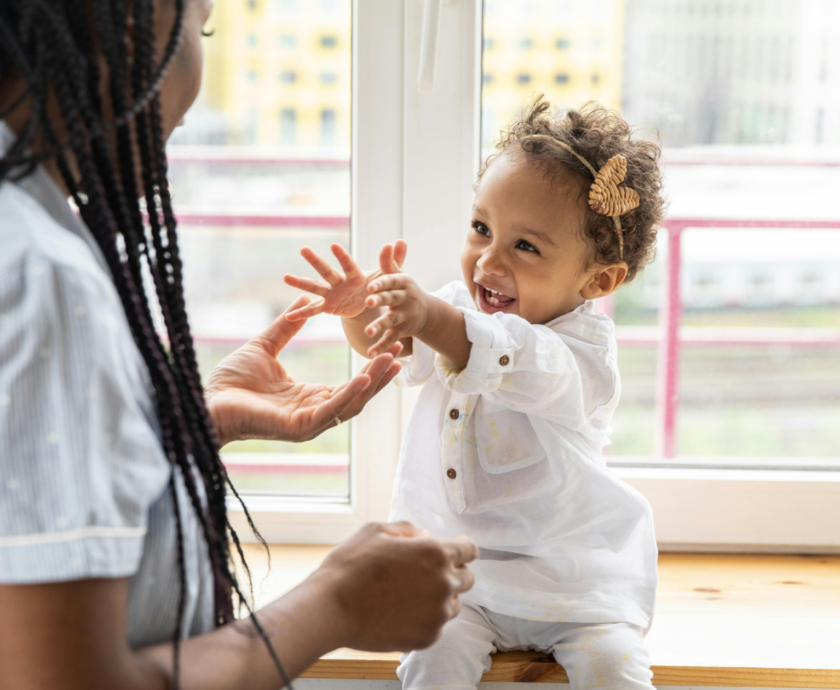
When families learn Auslan together, it can strengthen communication and connection at home. If a family has a deaf child and everyone uses Auslan, it creates a shared language where everyone can communicate, share stories, and participate fully in family life.
Access to a shared language helps children feel included, understood, and connected with their family.
A Deaf Person’s Perspective
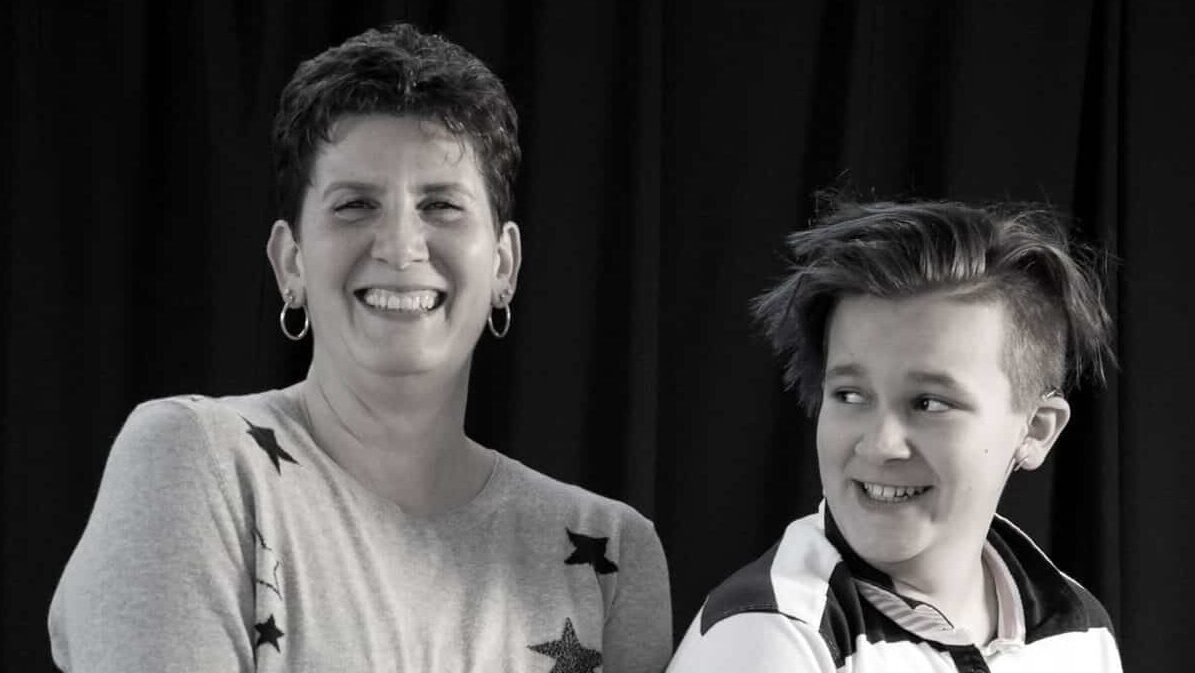
“I was born Deaf and received a cochlear implant when I was one year old. I began learning Auslan in preschool, where I had Deaf teachers who communicated with me in Auslan every day. Because of this, I had full access to communication, learning and friendships from a young age. I did not have to rely only on lip reading or feel like I was missing out on conversations around me. I was included, understood and supported.
I then attended a deaf primary school, where I met other deaf children like me. For the first time, I truly felt a sense of belonging. I found connection, culture and community. I was able to communicate freely, build friendships easily and grow in confidence as a Deaf person. I was not different there. I was part of a community where everyone understood each other.
Auslan gave me more than just a way to communicate. It gave me confidence, connection and a strong sense of identity. It helped me understand who I am and where I belong in the world. Without Auslan, my life would have been very different. Auslan did not just give me a language. It gave me community, culture, belonging and identity.”
Lauren Gallagher, Deaf individual
Why Auslan Matters
Auslan is more than a language. It supports communication, learning, identity, and belonging. For many deaf and hard of hearing children, access to Auslan means access to language, culture, connection with family, and connection with the Deaf community.
At Deaf Children Australia, we recognise the importance of Auslan and support families and children to access language, community and information so that deaf and hard of hearing children can grow, learn and feel connected.