Flying ColoursReal Stories
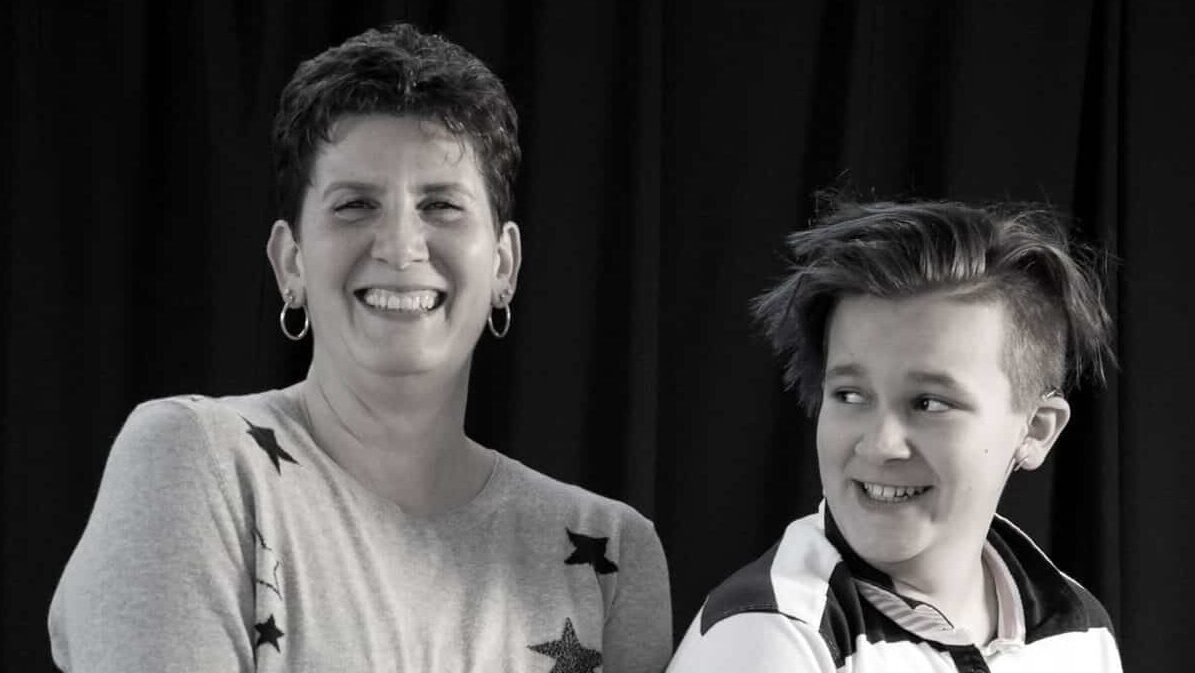
My name is Tash and I live on the Mornington Peninsula in Victoria with my husband and our two teenage sons.
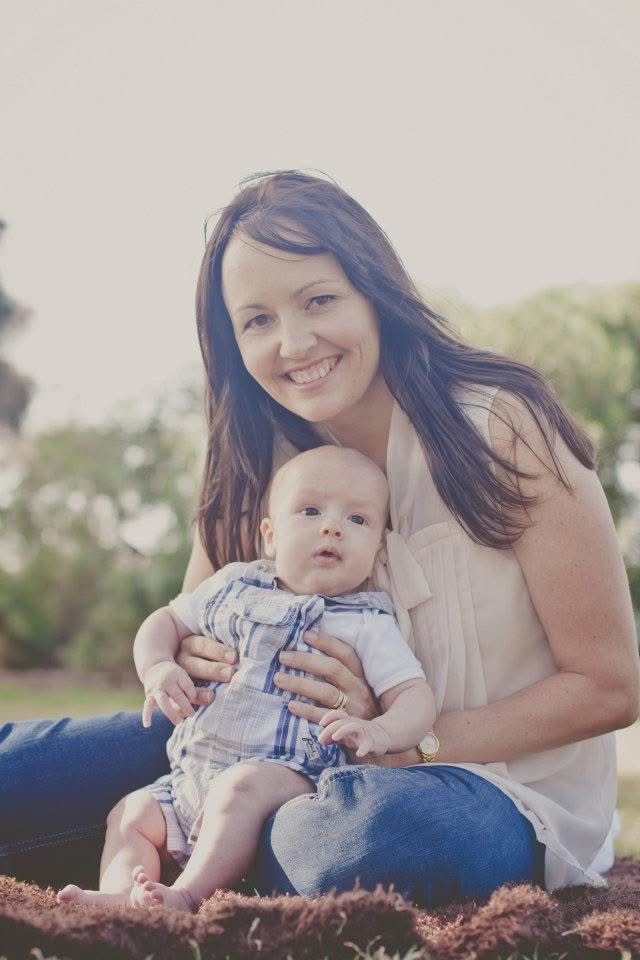
Our youngest son, Hamish was born in the summer of 2012, arriving healthy despite a dramatic birth. It was my second pregnancy, and had been completely normal and unremarkable, passing the routine ultrasounds and health checks with flying colours.
But during labour I inexplicably had an eclamptic seizure and was unresponsive for an estimated 45 seconds. When I became conscious again, the room was filled with medical professionals from all over the hospital. I wasn’t sure what all the fuss was about, but moments later Hamish was born via vacuum extraction. After a quick cuddle, Hamish was whisked off to the special care nursery and I was rushed to the high dependency unit.
In those early days, the focus was on our health, as my blood pressure remained high and I needed close monitoring. Hamish was battling the symptoms of low blood sugar and was diagnosed with a large ventricular septal defect (VSD) or hole in the heart and further testing indicated that something else may be wrong with his heart, and that we need to follow up at 6 weeks of age with Monash Heart Kids.
Amongst all of this was the routine hospital newborn hearing test. I remember my eldest son having this and he passed. Hamish did not. But we were told not to worry, it was probably just fluid and they’d redo the test in a couple of weeks. This made sense to me as I was told I had a lot of amniotic fluid and our oldest son had numerous ear infections with fluid on the ear and was given three lots of grommets.
In light of the concern over his heart, I barely gave the hearing test a second thought. I was more concerned about whether my newborn baby would need open heart surgery. Would he live or die? Would he have a life limiting heart condition? Miraculously, further scans revealed the only issue Hamish had with his heart was a small (not large) VSD, that subsequently closed by itself.
Meanwhile, further hearing tests did not result in a ‘pass’ and we were referred to an Ear Nose and Throat (ENT) specialist and to have an Auditory Brainstem Response (ABR), and so began our introduction to the world of deafness and hearing loss. Like many families we had no history of hearing loss and this was not something we expected.
The diagnosis itself wasn’t alarming for me. The scare with his heart, made hearing loss seem very manageable. But suddenly having to navigate audiology appointments, new technology, communication choices, and early intervention services, all of with a 3 year old toddler in tow, was at times very overwhelming.
I felt out of depth, and was desperate to know, learn and understand everything I could about my son’s hearing loss. I relied heavily on the medical professionals who initially never used the word deaf, but spoke about his ‘hearing impairment’ or moderate hearing loss. In 2012, google and social media wasn’t something I used a lot or had much time for. When I did google, it was ‘baby with hearing loss’ as I believed deaf meant you couldn’t hear anything and at that time, Hamish’s diagnosis was a ‘moderate bilateral sensorineural hearing loss’ and so he had some hearing but not enough to develop speech. The advice at the time was to focus on developing his speech and to make sure his cute little baby blue hearing aids were on for all waking hours.
However, despite regular speech therapy and following all the advice Hamish’s speech was not developing as expected. When he was almost 3 years old, discussions began about giving Hamish a cochlear implant. At the time implanting a child with a moderate loss was relatively new, as typically only children with a severe or profound loss received a cochlear implant.
In hindsight, we went into the surgery naively. The surgery itself was straightforward and our wonderful surgeon was able to keep Hamish’s residual hearing. But then began the many mapping appointments and the struggle to keep a cochlear implant on a three and half year old. I joke that at the end of my life, I want the statistics on how much time I spent looking for lost hearing aids and cochlear implants!
One moment that has stayed with me was Hamish’s cochlear implant activation. It wasn’t the magical moment people sometimes imagine or see on social media. He found it overwhelming and cried, and as parents we were terrified we’d made the wrong decision.
At around this time, I reached out online to the deaf community asking for their support and advice. I was overwhelmed and fearful I would be judged harshly. I’d given our son a cochlear implant and I only knew some Auslan. Instead I was met with reassurance, personal stories and experiences, wonderful useful advice and plenty of support. One deaf man in particular was the first to connect with me and he remains our families biggest supporter and mentor.
Connecting with the deaf community was the saving grace for our family. Instead of being met with ‘I’m sorry your son has a hearing loss’ or “What a shame he has hearing impairment’, we were met with “Congratulations you have a deaf son!” and genuine excitement. It gave me great confidence in how to parent and how to advocate for my deaf child.
Hamish is now 14 years old. He goes to a local mainstream high school. He is obsessed with all sports, and is good at them too. Really, he is a typical 14 year old boy who likes gaming and sends me texts with teen lingo that I cannot understand. His hearing loss is now severe to profound in both ears. Years ago he was offered a second implant, but he has chosen not to have one as he is happy as he is.
In the early days there was a lot to learn and many decisions to make. Over time we found our way, building knowledge, confidence and connection with the Deaf community.
In 2025 I began studying the Diploma of Auslan part-time, which has become a meaningful part of our family’s journey and a way for me to deepen my understanding of the community Hamish belongs to.
What I’ve learned along the way is how powerful it can be for parents to connect with others who truly understand the experience. Speaking with someone who has walked a similar path can bring reassurance at a time when families are often processing a lot of information and emotion.
Becoming a Parent Mentor with Deaf Children Australia is an opportunity to support other families who may be only at the beginning of their own journey. I know how valuable it can be to talk with someone who has navigated similar questions and decisions.
As a Parent Mentor, I hope to provide a listening ear, share lived experience and help families feel a little more confident as they move forward.