The latest stories, updates and resources from Deaf Children Australia.
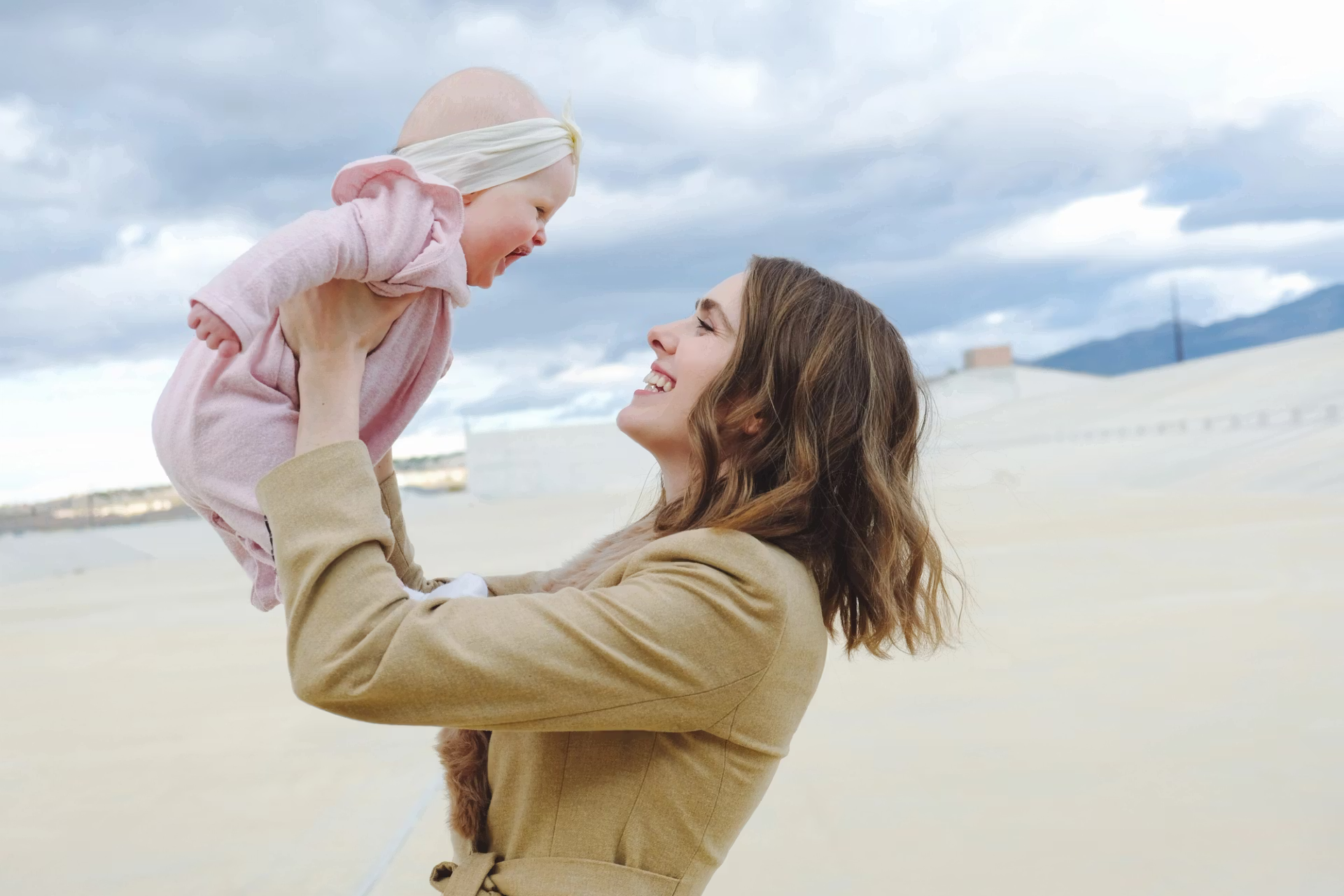
For infants and toddlers, signing can help develop language skills, expand vocabulary and improve reading skills.
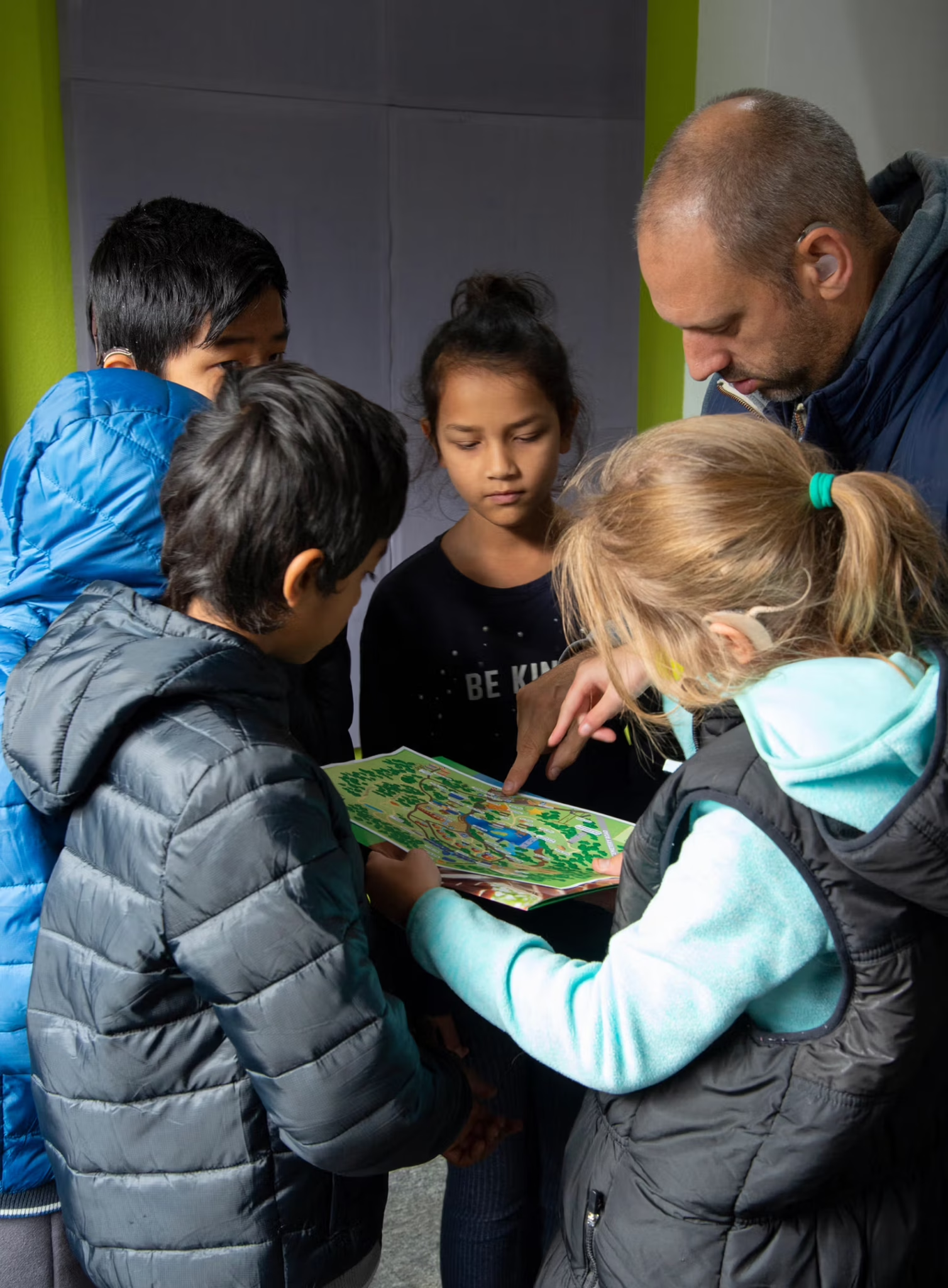
Improved intervention strategies for school-aged children with cochlear implants is needed to support learning.
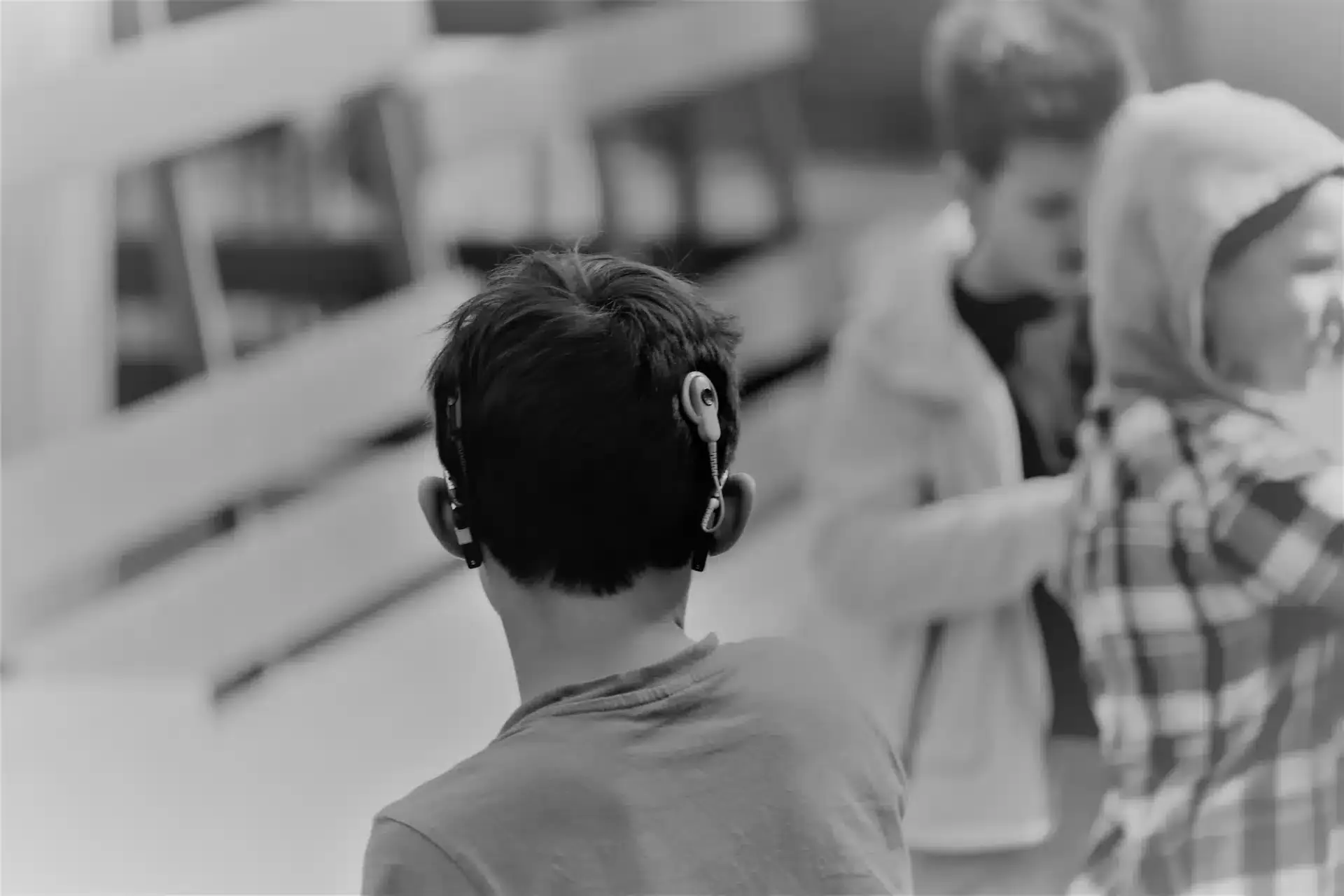
Deciding whether your child should receive cochlear implants is a challenging process for many parents. New research is changing ...
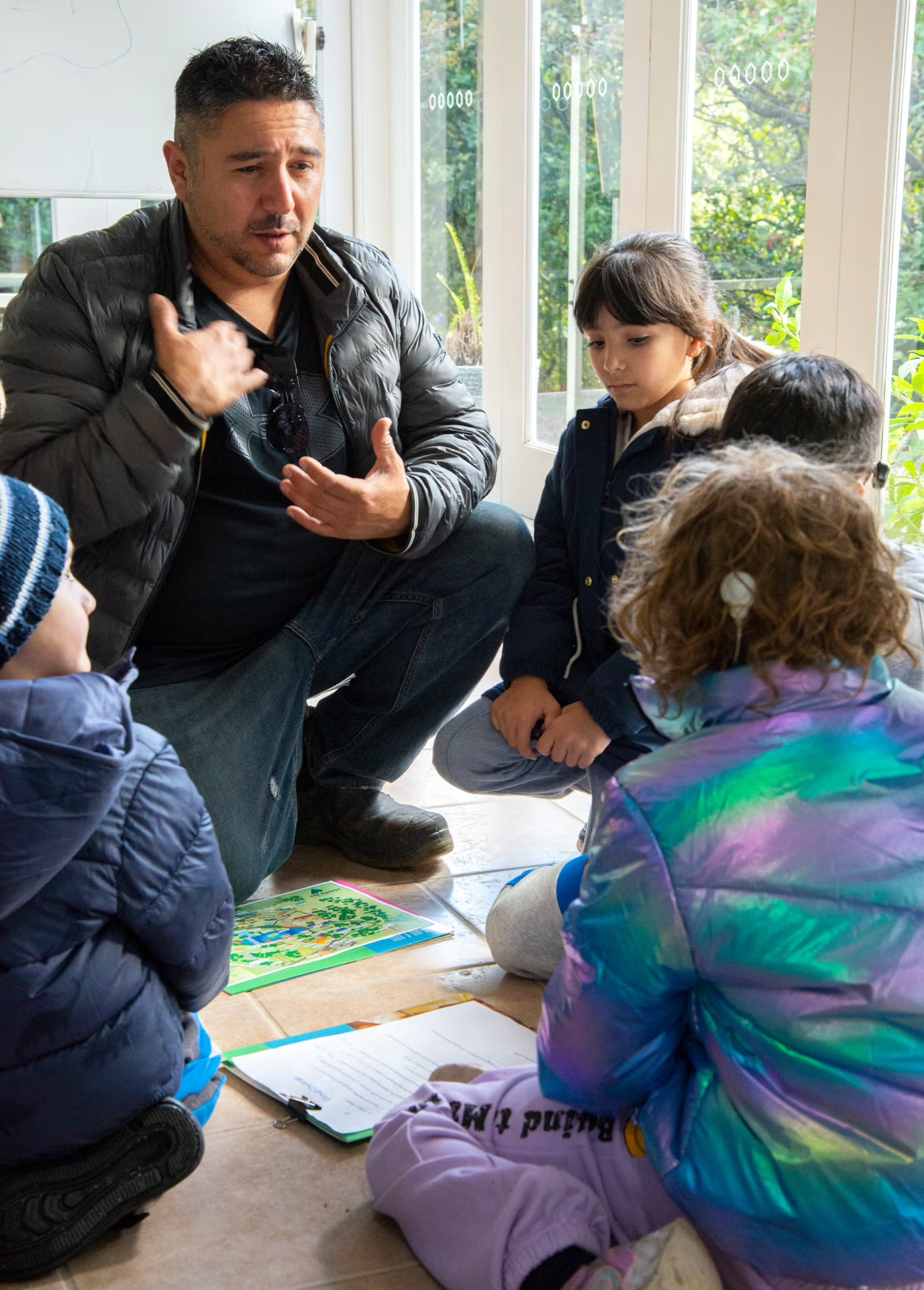
It’s a myth that sign language will hold back a deaf or hard of hearing child from developing spoken language. It has been shown that ...

Deafness is recognised as a cultural identity rather than a disability.
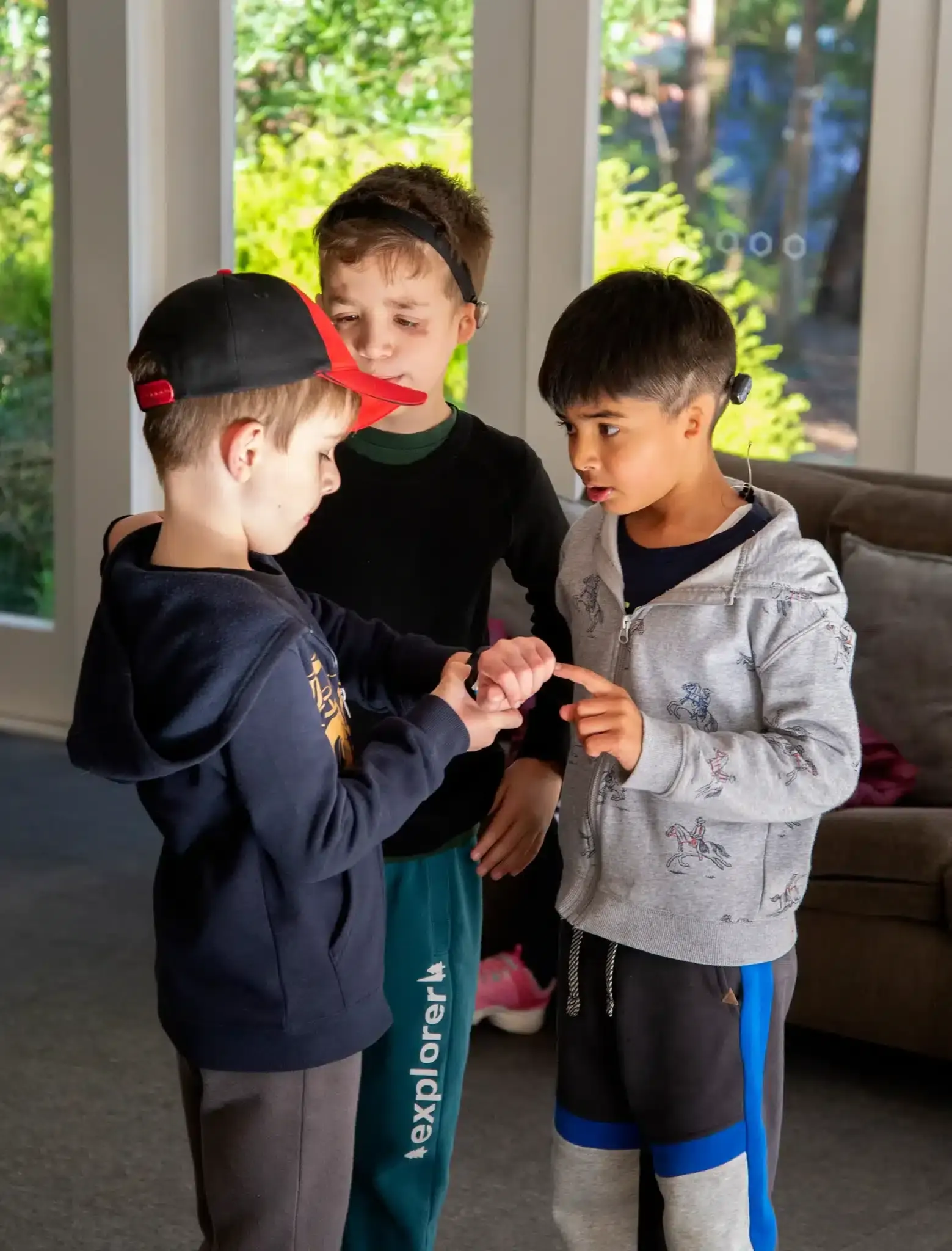
Recent literature is suggesting that having a strong foundation in sign language will help in the development of English literacy skills.
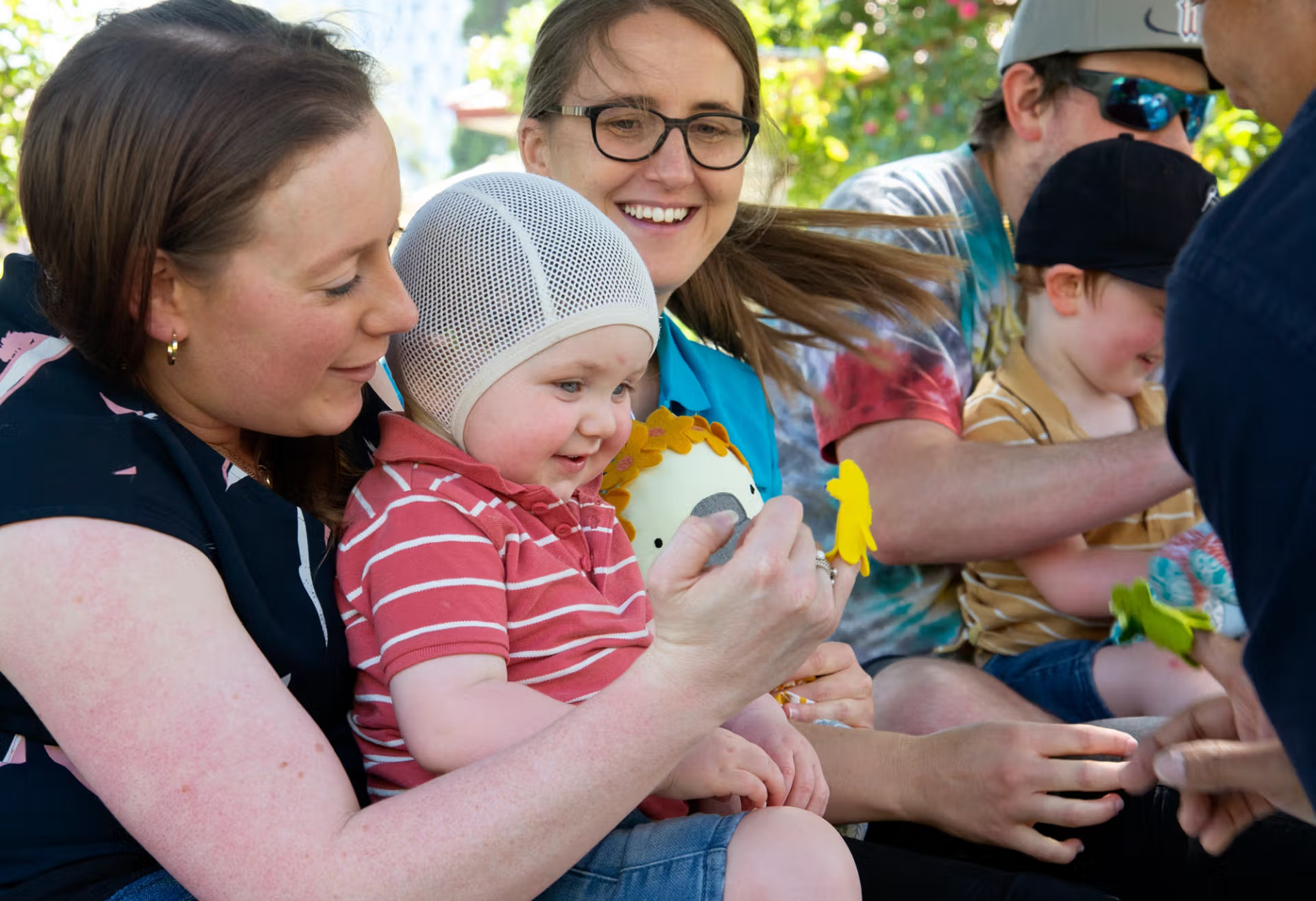
With the right methods, it’s possible to teach a baby as young as six months old to use a simple sign.

Children learning to communicate may benefit from using multiple modes of language – gestures, signs, spoken words and writing.
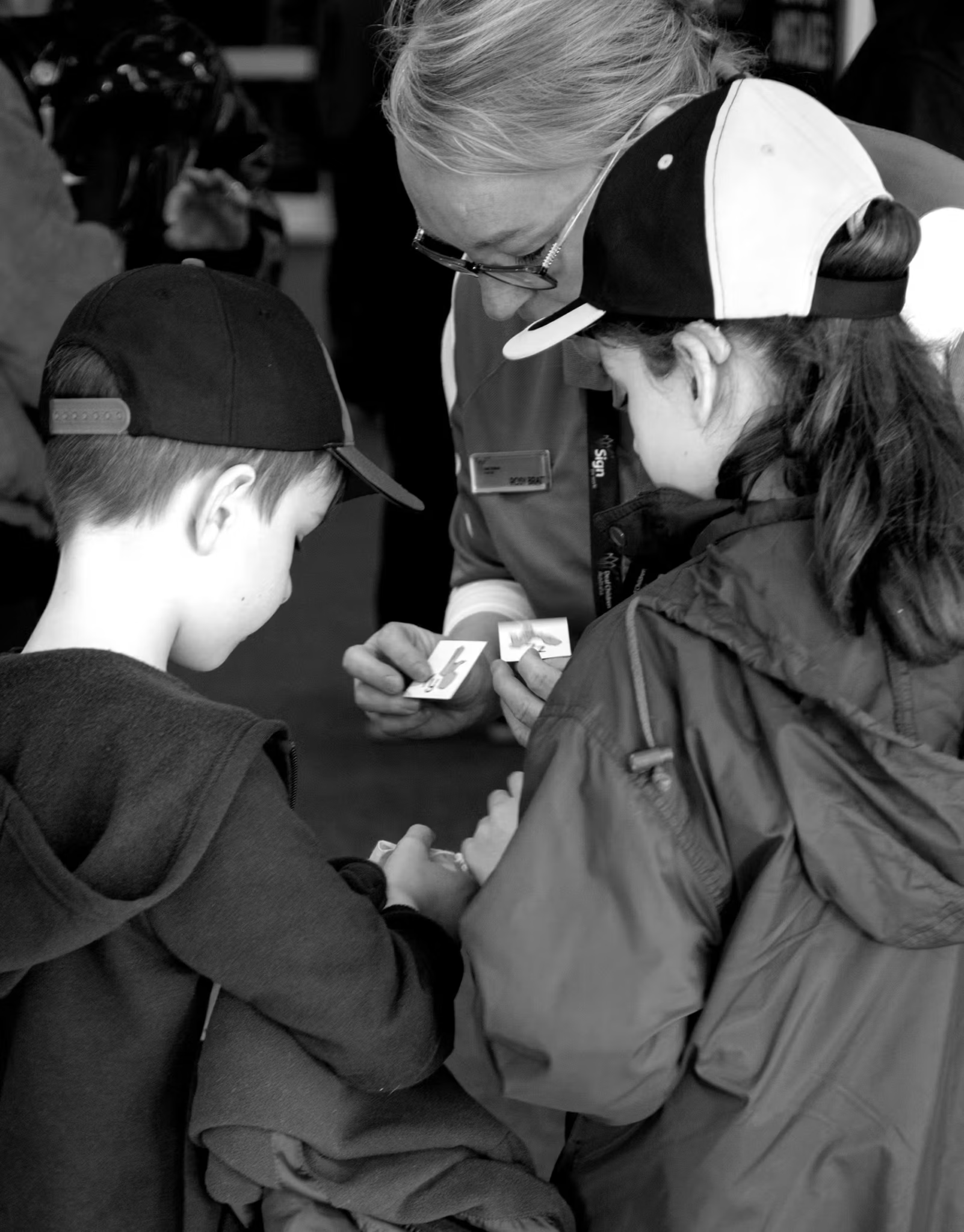
New evidence suggests that if children are exposed to a first language in the critical period of their first years, they may develop ...
There are great benefits for deaf children in having their parents read stories to them in sign language.
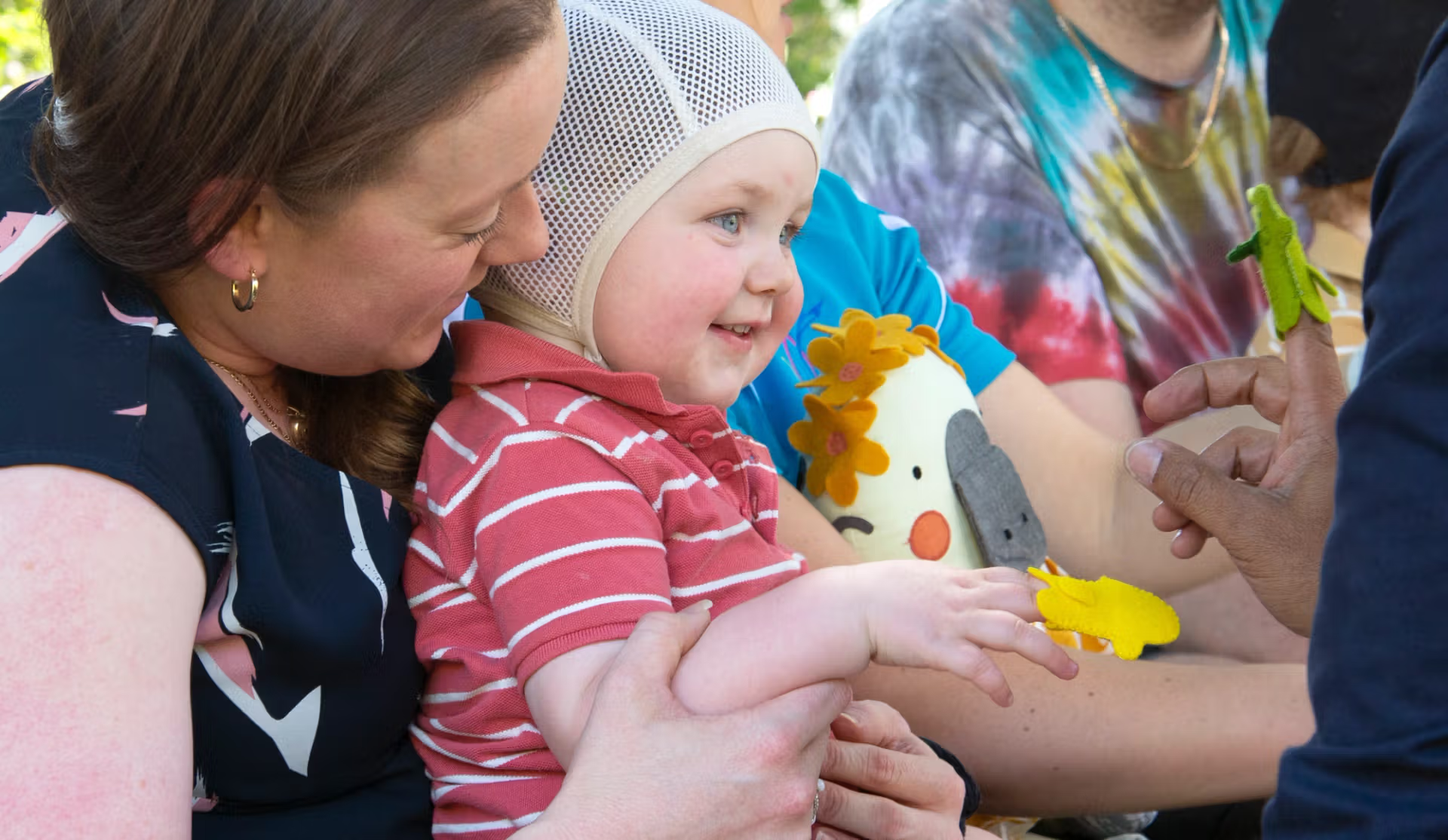
Making services more family-centred could help families enrol in early intervention more quickly.
More research is needed, including studies reporting both reading and writing outcomes in sign bilingual programs.